Doug Cooper Obituary: Remembering a Kernersville Worship Leader and Veteran
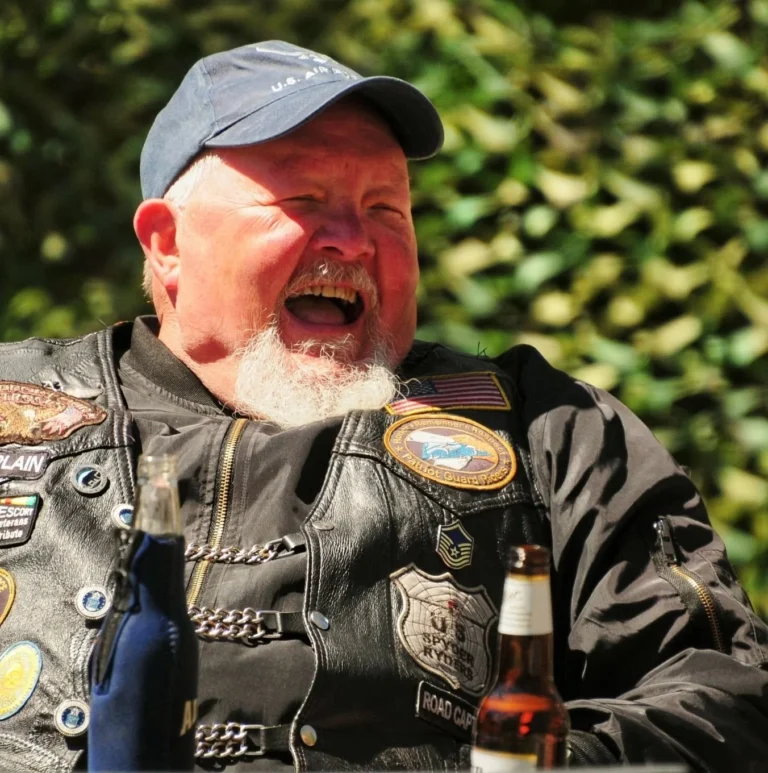
Doug Cooper Obituary-You know, it is not every day that a community loses a true pillar of light. When the news broke that Doug Cooper, a beloved Kernersville worship leader and proud military veteran, had tragically died at the age of 68, a profound silence fell over the town. People did not just lose a neighbor; they lost a spiritual guide, a steady hand, and a man who had dedicated his entire existence to serving others. His passing is a tragedy that ripples through the local church pews, the veteran community, and the countless families he touched with his music and his kindness.
Writing an obituary for someone like Doug requires more than just listing dates and surviving relatives. It requires a deep dive into the very essence of what makes a life meaningful. We live in an era where the concept of legacy is often confused with fame, where notoriety is mistaken for virtue. But Doug’s life stands as a brilliant, quiet counter-narrative to the chaos of modern public life. In exploring his story, we uncover profound truths about faith, duty, the unforgiving nature of the law, and what it truly means to leave the world better than you found it.
Who Was Doug Cooper? A Life Dedicated to Faith and Community
To understand the magnitude of this loss, you have to understand the man behind the guitar, the uniform, and the pulpit. Doug Cooper was not a man who sought the spotlight, yet he consistently found himself in roles that required him to lead. Whether he was navigating the unpredictable waters of military service or standing before a congregation in Kernersville, North Carolina, leading hundreds of voices in harmony, he did so with a quiet, undeniable authority.
The Early Years and Roots in North Carolina
Born and raised with a deep respect for hard work and community values, Doug’s early life was shaped by the distinct culture of the American South. North Carolina is a state characterized by its close-knit communities, its rich musical heritage, and a deep, pervasive sense of faith. Growing up in this environment, Doug learned early on that a person’s worth is not measured by their bank account, but by their willingness to show up for others in times of need.
Those who knew him in his younger years often describe a young man with a fierce sense of loyalty and an insatiable curiosity about the world. He was the kind of friend who would drop everything to help you fix a broken down car on the side of the highway, or sit with you on a porch for hours just listening to your troubles. That foundational empathy would later become the cornerstone of his ministry. He did not just read about compassion in the scriptures; he lived it out in the dusty, ordinary moments of everyday life.
A Call to Ministry and Worship Leadership
Doug’s transition into ministry was not a sudden pivot, but rather a slow, beautiful crescendo. Music had always been a deeply personal sanctuary for him. He understood that music possesses a unique neurological and spiritual power. It bypasses the logical, cynical parts of the human brain and speaks directly to the soul. When he eventually answered the call to become a worship leader, he brought this profound understanding to the altar every single Sunday.
He didn’t view worship leadership as a performance. To Doug, a worship service was a communal act of vulnerability. He taught his congregation that it was perfectly okay to bring their brokenness, their fears, and their doubts into the sanctuary. Under his leadership, the music ministry became a hospital for the spiritually wounded. At 68 years old, his voice carried the rich, textured grit of a man who had seen the world, faced its harsh realities, and still chose to sing songs of hope.
Honoring a Veteran: The Intersection of Duty, Sea, and Spirit
Long before he held a microphone in a Kernersville church, Doug Cooper held the line as a proud member of the United States Armed Forces, dedicating nearly three decades of his life to military service, with deep ties to the Coast Guard traditions. To properly honor him, we must delve deeply into the psychological and emotional landscape of a career military man.
Life in the Service
Military service is a crucible. It strips away a person’s superficial ego and replaces it with a rigorous adherence to duty, honor, and collective survival. For decades, Doug served his country with the kind of unwavering commitment that most people can scarcely comprehend. The life of a serviceman, particularly one who spends time navigating the treacherous and unpredictable environments of the sea, requires a unique blend of hyper-vigilance and absolute calm.
In the military, Doug learned the philosophy of servant leadership. A true leader in the armed forces does not demand respect through tyranny; they earn it by eating last, by taking the hardest shifts, and by proving to their unit that they will never abandon them. Doug carried this ethos in his bones. The discipline he learned during his deployments translated directly into the meticulous, caring way he later ran his church ministries and community outreach programs.
The Transition from Military Order to Spiritual Leadership
Transitioning from military life to civilian life is notoriously difficult. Many veterans struggle with the sudden absence of structure and the loss of the intense camaraderie they experienced in uniform. But Doug found his second platoon in the church. He recognized that the spiritual battles fought in the quiet homes of Kernersville were just as real as the physical challenges he faced in the military.
He became a fierce advocate for veteran support within his community. He understood the silent struggles of PTSD, the crushing weight of survivor’s guilt, and the complex journey of integrating back into a society that often fails to understand the sacrifices of its service members. Doug’s ministry uniquely bridged the gap between the stoic, hardened world of military veterans and the emotional, vulnerable world of faith. He showed other veterans that there was immense strength in surrendering to a higher power and that true bravery often looks like asking for help.
The Heartbeat of the Congregation: Transforming Lives Through Music
When you walk into a church on a Sunday morning, the atmosphere is largely dictated by the worship leader. It is a heavy burden to bear. You are responsible for guiding hundreds of people—each carrying their own invisible burdens of grief, financial stress, marital strife, and anxiety—into a unified state of peace and reflection. Doug Cooper was a master of this invisible art.
The Theology of Worship and Communal Healing
Doug’s approach to worship was deeply rooted in theological philosophy. He believed that music was the original language of the divine. He spent countless hours agonizing over setlists, ensuring that every lyric resonated with the specific season his congregation was walking through. If the community was grieving a local tragedy, Doug knew exactly which hymns to pull from the archives to offer comfort. If it was a season of celebration, he knew how to elevate the room with vibrant, contemporary joy.
He mentored dozens of young musicians over the years, teaching them that technical proficiency on a guitar or a piano meant nothing if it lacked spiritual authenticity. He would often stop mid-rehearsal to remind his band that they were not there to put on a concert. They were there to facilitate a conversation between the community and their Creator. This philosophical approach to music transformed the culture of his church, creating an environment where authenticity was prized over perfection.
Beyond Sunday Mornings: A Friend to the Broken
But Doug’s impact was not confined to a one-hour service on Sunday. He was the guy who showed up at the hospital at 2:00 AM when a parishioner got into an accident. He was the man who quietly paid for groceries when he saw a single mother struggling in the checkout line. He counseled couples on the brink of divorce, using the wisdom he had gleaned from a lifetime of facing adversity.
His 68 years on this earth were packed with these micro-moments of intense, deliberate goodness. This is the true definition of community impact. It is not always about starting massive non-profit organizations or going viral for a good deed. Sometimes, the most profound community impact is simply being a consistently reliable, loving presence in a chaotic world.
The Tragic Motorcycle Accident: Details and Deep Legal Philosophy
The news of Doug’s passing came as a brutal shock. He was involved in a fatal motorcycle accident on the winding, scenic roads of North Carolina. For a man who had survived the rigors of military deployments and the myriad challenges of life, to be taken so suddenly in a traffic accident is a stark reminder of our fragile mortality.
Understanding the Incident on North Carolina Roads
Motorcycling was one of Doug’s great passions. It offered him a sense of freedom, a way to clear his mind, and a visceral connection to the beautiful North Carolina landscape. Unfortunately, motorcyclists are inherently vulnerable on the road. No matter how experienced the rider, they are always at the mercy of environmental factors, road conditions, and the awareness of other drivers.
When a tragedy like this occurs, it naturally triggers a cascade of investigations. Law enforcement officials in Kernersville and the surrounding counties meticulously reconstruct the scene to determine fault. But beyond the physical reconstruction of the crash lies a complex, often frustrating web of legal philosophy and state law that dictates how these tragedies are handled in the justice system.
Legal Philosophy: Negligence, Wrongful Death, and the Law
The passing of Doug Cooper invites a necessary examination of the legal frameworks that govern such sudden losses. In the realm of legal philosophy, the concept of tort law and wrongful death is designed to make aggrieved parties “whole” again. However, any legal scholar will tell you that no amount of financial compensation can replace a beloved father, husband, pastor, and veteran. The law is a blunt instrument attempting to fix a deeply emotional wound.
Wrongful death claims are rooted in the legal philosophy of the “duty of care.” Every time a person gets behind the wheel of a car or straddles a motorcycle, they enter into an invisible social contract. They owe a duty of care to everyone else on the road. When that duty is breached through negligence—whether by distracted driving, speeding, or failure to yield—the law demands accountability. But accountability in the courtroom is a cold, clinical process that often feels detached from the visceral reality of human grief.
The Unforgiving Nature of Contributory Negligence
What makes a motorcycle accident in North Carolina particularly complex is the state’s adherence to a deeply controversial and antiquated legal doctrine known as “pure contributory negligence.” To truly grasp the legal philosophy at play here, we have to contrast it with the rest of the country.
In most states, the law operates on a system of “comparative negligence.” Under that philosophy, if a jury determines that a motorcyclist was 10 percent responsible for an accident (perhaps they were going slightly over the speed limit), and the other driver was 90 percent responsible, the injured party’s financial recovery is simply reduced by 10 percent. It is a philosophy rooted in proportional fairness.
However, North Carolina is one of only four states (along with the District of Columbia) that still enforces pure contributory negligence. Under this rigid legal philosophy, if a victim is found to be even one single percent at fault for their injuries, they are completely barred from recovering any damages whatsoever. It is an all-or-nothing approach that dates back to old English common law.
In fatal motorcycle crashes, insurance companies famously weaponize this legal doctrine. They will heavily scrutinize the deceased rider’s actions, looking for any minor infraction—a failure to signal, a momentary lane drift—to shift a fraction of the blame and completely absolve themselves of financial liability. This legal reality adds an excruciating layer of stress to mourning families. While we may never know the exact intricacies of the insurance battles that follow such a crash, understanding this legal philosophy is crucial. It highlights the stark difference between moral justice and legal justice. The law, in its strict application, often lacks the very grace that Doug Cooper spent his life preaching.
Media Presence and Legacy: A Philosophical Contrast of Public Lives
When a high-profile tragedy strikes a local community, it forces us to evaluate what we value as a society. In today’s hyper-connected, digital age, our perception of legacy is heavily skewed by media presence. The algorithms that govern our newsfeeds prioritize outrage, scandal, and the spectacular downfalls of the powerful. To fully appreciate the quiet, honorable legacy of a man like Doug Cooper, we must engage in a philosophical contrast between the unsung heroes of our communities and the high-profile figures who dominate the global media landscape.
The Obsession with High-Profile Downfalls
Modern media thrives on legal drama. We are bombarded daily with the intricate details of criminal trials, civil lawsuits, and the destruction of public figures. The media presence surrounding these events is staggering. News networks dedicate thousands of hours to analyzing the legal philosophies, the courtroom strategies, and the moral failings of the elite. We become accidental legal scholars, debating the finer points of state law, statutes of limitations, and defamation.
But what does this say about our cultural priorities? We spend endless energy dissecting the worst actions of powerful people, while largely ignoring the steady, daily acts of goodness performed by local leaders.
Harvey Weinstein, Rudy Giuliani, and the Philosophy of Accountability
Take, for example, the media frenzy and legal complexities surrounding figures like Harvey Weinstein and Rudy Giuliani. These are men whose legacies have been defined and ultimately dismantled by the justice system, playing out under the blinding lights of international media presence.
The Harvey Weinstein case forced a global reckoning with the legal philosophy of consent, the abuse of institutional power, and the mechanisms of criminal liability. His trials were a masterclass in retributive justice. The legal system had to grapple with deeply complex issues like the admissibility of “prior bad acts” and the psychological trauma of witnesses. The media presence was all-consuming, transforming a Hollywood titan into a global symbol of predatory behavior. The legacy he leaves behind is a cautionary tale of unchecked power and legal ruin.
Similarly, consider the tragic, highly publicized legal spiral of Rudy Giuliani. Once universally heralded as “America’s Mayor,” his later years have become a dark study in civil liability, defamation law, and bankruptcy. Giuliani’s legal battles forced society to examine the philosophy of truth in the public sphere. When does political rhetoric cross the line into defamation per se? How does the First Amendment interact with the intentional infliction of financial and reputational harm? The relentless media presence tracking his disbarment hearings and billion-dollar judgments highlights a legacy destroyed by a failure to adhere to the basic legal philosophy of honesty.
These notable cases are fascinating from a legal and sociological standpoint. They teach us about the boundaries of the law, the consequences of hubris, and the sheer power of the media to shape historical narratives. But they also represent the darkest aspects of public life. They are legacies built on manipulation, power, and eventual legal collapse.
The Virtue of the Unsung Hero vs. The Crisis of Modern Notoriety
Why is it so vital to discuss Weinstein and Giuliani in an article honoring a deceased worship leader from North Carolina? Because the stark contrast is the only way to truly illuminate the sheer beauty of Doug Cooper’s life.
Doug Cooper did not have a PR team. He did not employ crisis management firms to spin his public narrative. His media presence did not consist of cable news interviews or viral controversies; it consisted of grainy Facebook live streams of Sunday morning worship services, where he poured his heart out for an audience of a few hundred people.
While the media obsesses over the legal philosophy of accountability for bad actors, Doug lived by a moral philosophy of proactive goodness. He didn’t need the threat of civil litigation or criminal prosecution to make him treat people with respect. His moral compass was internal, forged by his faith and his military service.
When a man like Harvey Weinstein or Rudy Giuliani faces legal and public ruin, the world watches with a sense of morbid fascination and schadenfreude. But when a man like Doug Cooper dies in a tragic motorcycle accident at 68, the world breaks. The grief is not a media spectacle; it is a profound, communal ache. True legacy is not found in Wikipedia articles detailing legal controversies; true legacy is found in the tear-filled eyes of a congregation that doesn’t know how they are going to sing the doxology without their leader.
By juxtaposing these two types of public lives, we reclaim the definition of a successful life. Doug Cooper’s legacy is a towering monument to the virtue of the unsung hero. He proves that you do not need global notoriety to change the world; you just need to faithfully serve the community directly in front of you.
The Anatomy of Community Grief and Healing in Kernersville
The sudden loss of a figure like Doug Cooper sends a psychological shockwave through a town. Kernersville is a community that prides itself on resilience, but the death of a beloved pastor and veteran requires a unique kind of communal healing.
How a Town Mourns Its Heroes
Grief on this scale is incredibly complex. There is the acute, personal grief of his immediate family—his wife, his children, his grandchildren—who are left to navigate the agonizing logistics of sudden death. Their world has been irrevocably altered, and the quiet moments in their home will now be filled with a deafening absence.
Then, there is the collective grief of the congregation. For many, Doug was the physical embodiment of their faith journey. He was the voice that guided them through their darkest valleys. When the person who usually leads the healing process is the one you are mourning, the congregation is left feeling spiritually unmoored.
Finally, there is the grief of the veteran community. Every time a veteran passes away, whether on the battlefield, through illness, or in a sudden accident, it serves as a stark reminder of the fragile brotherhood they share. Veterans grieve differently; they grieve with stoicism, but the pain is razor-sharp. They have lost a brother in arms, a man who understood the unique weight of the uniform.
Vigils, Tributes, and the Power of Shared Sorrow
In the wake of the tragedy, the Kernersville community has mobilized in a breathtaking display of solidarity. Impromptu vigils, candle lightings, and tribute walls have emerged, creating physical spaces for people to process their shock. This is the sociological function of mourning rituals. When a tragedy is too heavy for one person to carry, the community disperses the weight among hundreds of shoulders.
People have taken to social media, not to engage in the toxic discourse that usually plagues those platforms, but to share deeply personal stories of Doug’s impact. They tell stories of the time he helped them through a divorce, the time he prayed with them in a hospital waiting room, or the time his worship leading finally broke through their cynical exterior. These stories, woven together, form a beautiful, digital tapestry of a life well-lived.
Memorial Services and How to Support the Family
As the community moves forward, the focus shifts to honoring Doug’s memory in tangible ways. Memorial services for a man of his stature are intricate affairs. They require blending the deeply emotional traditions of a Christian funeral with the solemn, precise protocols of military honors.
Final Arrangements and Military Honors
When a veteran of Doug’s caliber is laid to rest, the military ensures that their service is recognized with the utmost dignity. The folding of the flag, the playing of Taps, and the rifle volley are not just ceremonial traditions; they are profound symbols of a nation’s gratitude. For Doug’s family, receiving the folded flag is a tangible reminder that his sacrifices were seen and valued.
The church services will undoubtedly be filled with the very music he spent his life perfecting. Fellow worship leaders, musicians he mentored, and the congregation at large will raise their voices to sing the hymns he loved. It will be a heartbreaking, beautiful symphony of grief and hope. It is the most fitting tribute imaginable for a man who believed that music could heal the soul.
Continuing His Legacy of Service
The most common question that arises in the aftermath of such a loss is, “How can we help?” The family of Doug Cooper has been surrounded by an outpouring of love, meals, and logistical support. However, true support extends far beyond the immediate aftermath of the funeral.
To genuinely honor the legacy of Rev. Doug Cooper, the community must take up the mantle he left behind. He spent 68 years advocating for veterans, loving the broken, and leading people toward the light. If the community allows his ministries to fade, they do a disservice to his memory. Supporting his legacy means volunteering at the local veteran’s shelter. It means checking in on the elderly neighbor. It means approaching worship and faith with the same fierce, authentic vulnerability that he modeled every day.
Frequently Asked Questions
What were the details of Doug Cooper’s motorcycle accident? Doug Cooper, 68, was tragically killed in a motorcycle accident while riding in the Kernersville, North Carolina area. While exact crash reconstruction details are handled by local law enforcement, such incidents highlight the inherent vulnerabilities motorcyclists face on the road, as well as the strict contributory negligence laws in North Carolina that govern motor vehicle accidents.
When and where are the memorial services for Rev. Doug Cooper? Details regarding the memorial service, including military honors and church tributes, are typically handled by local funeral homes such as Hayworth-Miller in the Kernersville area. Friends, family, and veterans are encouraged to check official local obituaries for specific dates, times, and locations for the visitation and service.
How long did Doug Cooper serve in the military? Doug was a proud, career military veteran, spending nearly three decades in service, deeply connected to maritime and Coast Guard traditions. His military background profoundly shaped his disciplined, compassionate approach to his later life as a civilian and a minister.
What is a worship leader, and what was Doug’s impact on his church? A worship leader is responsible for guiding a church congregation in musical worship and spiritual reflection. Doug Cooper was highly regarded for his theological depth, his musical talent, and his ability to foster a deeply authentic, healing environment for his community in Kernersville.
How can the public support the Cooper family during this time? Communities can support the family by respecting their privacy as they grieve, participating in local memorial funds if established, sending condolences through official funeral home portals, and most importantly, continuing Doug’s legacy of serving veterans and loving their neighbors unconditionally.
Doug Cooper’s life was a testament to the quiet, enduring power of faith, duty, and community. He did not seek to be a globally recognized figure embroiled in the messy, legal dramas of the modern media age; he sought only to be a faithful servant to his God, his country, and his town. In doing so, he achieved a legacy far more permanent and beautiful than fame could ever offer. Kernersville has lost a giant, but the echoes of his music, his wisdom, and his love will resonate in the hearts of his congregation and fellow veterans for generations to come.